Rope bondage appears in many corners of the BDSM world, but few styles feel as mesmerizing as Kinbaku, the Japanese art of erotic rope tying.
Kinbaku is a Japanese rope bondage style within BDSM that focuses on slow tying, aesthetic rope patterns, and strong emotional connection between partners.
Kinbaku blends restraint, anticipation, and the slow-building tension that develops as the ropes tighten. The tying unfolds gradually. Each wrap of rope changes the posture of the body, the mood of the scene, and the connection between partners.
For many kinksters, rope scenes create a rhythm of trust and vulnerability. The rope moves, the body responds, and the energy between partners grows with every knot.
Curious how other kinksters explore rope play? The conversation never stops in the fetish community. You’ll find rope discussions in the Forum, live chats in the BDSM chat, and stories shared across the community.
What Is Kinbaku? Understanding Japanese Rope Bondage
Kinbaku refers to a traditional Japanese style of rope bondage that combines aesthetics, restraint, and emotional intensity.
The word roughly translates to “tight binding,” but within the BDSM world it describes a distinct rope practice shaped by careful technique and strong connection between partners.
Kinbaku scenes often involve:
- Structured rope patterns
- Slow, deliberate tying
- Symmetry across the body
- A deep psychological connection between partners
In Kinbaku, rope becomes both restraint and communication. The rigger leads the process while reading the reactions of the person being tied. Body language, breathing, and subtle movements all shape how the rope scene unfolds.
Many experienced rope practitioners describe the tying itself as the most meaningful part of the experience. The scene evolves slowly, with every wrap of rope adding tension, intimacy, and visual beauty.
Rope bondage also overlaps with other creative forms of BDSM play. If you enjoy situations where control and challenge intersect, explore our guide to predicament bondage to see how kinksters turn difficult positions into delicious dilemmas.
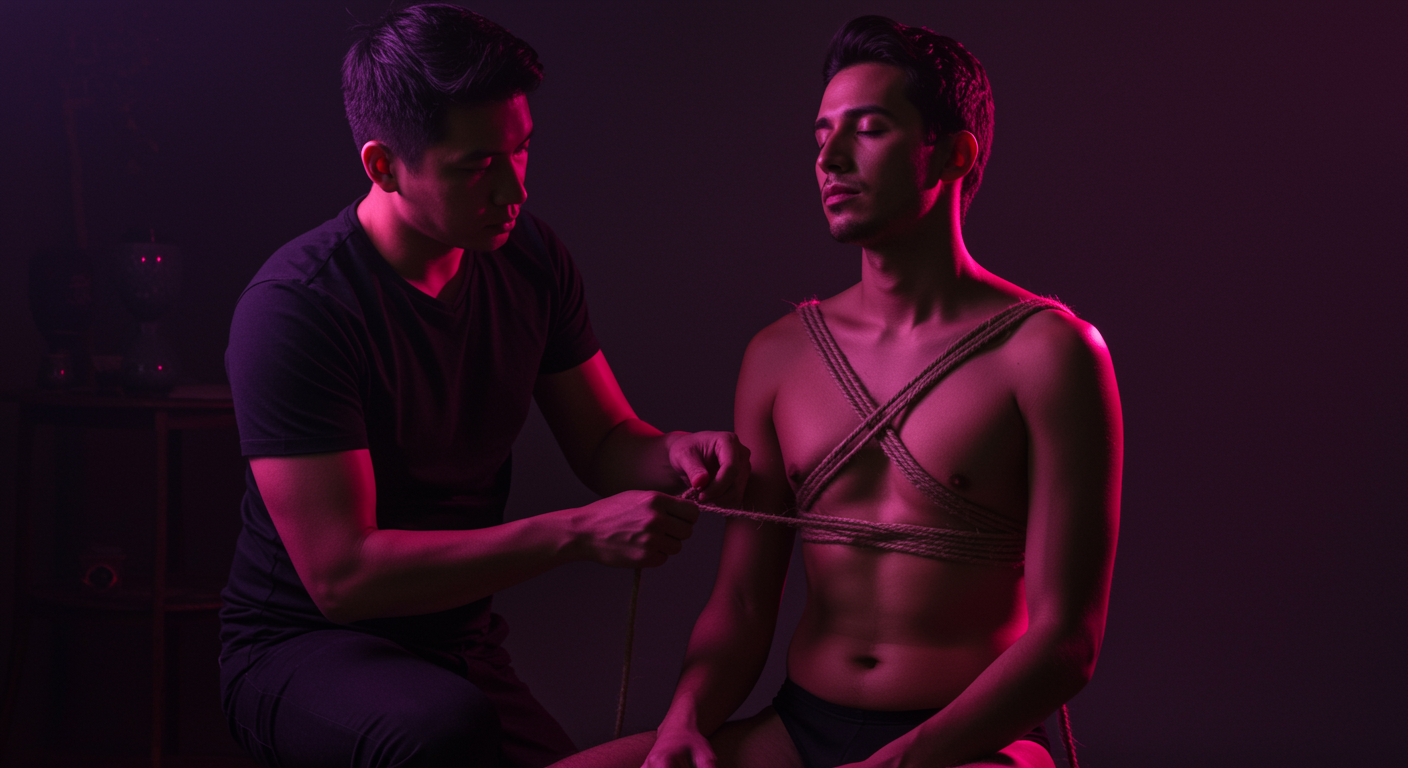
The Origins of Japanese Rope Bondage
Kinbaku has deeper roots than many kinksters realize. Some rope lovers point back to Hojojutsu, a Japanese rope restraint technique once used by samurai to bind prisoners.
The Kinbaku scene people recognize today started taking shape much later. During the twentieth century, Japanese photographers and performers began experimenting with rope in erotic art and underground publications. Rope patterns wrapped around the body, creating striking images filled with tension, vulnerability, and control.
From there, rope tying grew into something bigger: a craft, a performance, and a shared experience between rigger and partner.
These days, Kinbaku has spread far beyond Japan. Rope artists demonstrate it at kink events, rope workshops, and fetish festivals all over the world.
Want to see where rope lovers gather in real life? Check out our guide to the top fetish festivals worldwide and discover where the global kink crowd comes together.
Knowing a bit of the history adds another layer to the experience. Many rope practitioners approach Kinbaku with patience, curiosity, and respect for the craft — because good rope takes time.
Kinbaku vs Western Rope Bondage: What’s the Difference?
Rope bondage shows up in many BDSM traditions, but Kinbaku brings its own vibe to the rope game.
You’ll often hear kinksters talk about a few differences.
Western rope bondage:
- Often focuses on restraint and immobilization
- Ties may be quick and practical
Kinbaku:
- Strong focus on visual beauty and emotional tension
- The tying unfolds slowly, with intention
In Kinbaku scenes, the rope patterns become part of the atmosphere. Rope frames the body, changes posture, and builds anticipation as the scene develops.
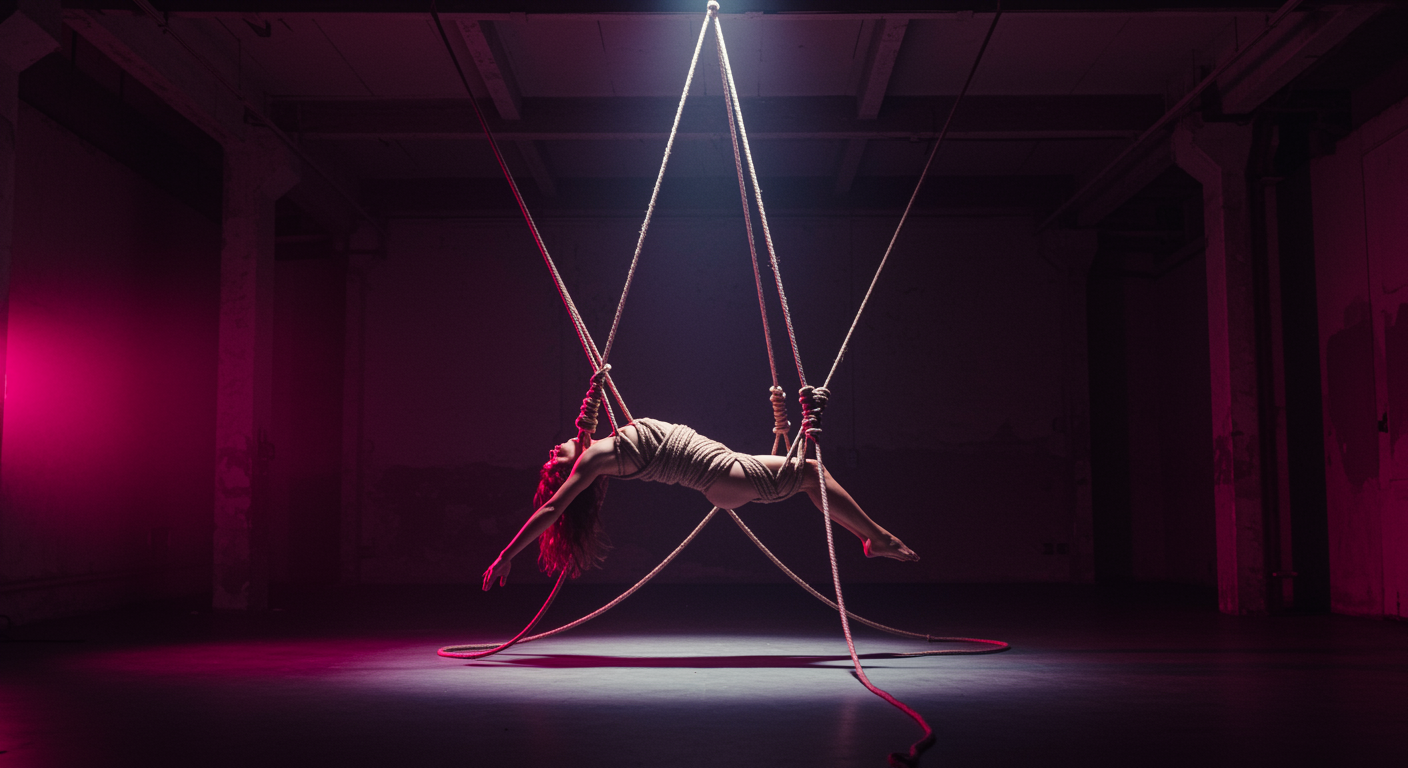
Some rope lovers eventually move into suspension bondage, where the body is partially or fully lifted using rope. Curious about that side of rope play? Start with our beginner-friendly guide to suspension bondage in BDSM before trying it yourself.
No matter the style, one thing always comes first: communication, trust, and preparation.
Kinbaku vs Shibari: Are They the Same?
You’ll often hear the words Kinbaku and Shibari used interchangeably in BDSM communities.
In general:
- Shibari refers to the rope tying techniques themselves.
- Kinbaku describes the erotic or artistic style built around those ties.
In everyday kink conversations, many people simply use Shibari to describe Japanese rope bondage. Both terms usually point to the same style of slow, intentional rope tying.
The Emotional Dynamic Behind Kinbaku
Kinbaku scenes often carry a strong emotional charge.
The rigger guides the rope while the partner being tied responds to every shift in pressure and position. The rope restricts movement, which can make every breath, glance, and small movement feel more intense.
Rope lovers often describe Kinbaku scenes as:
- Meditative
- Intimate
- Deeply intense or cathartic
In more immersive scenes, the headspace can drift into altered states like subspace or topspace, where sensations and emotions feel heightened.
Every rope dynamic develops in its own way. Some scenes unfold slowly and feel almost calming. Others build into powerful emotional releases as the tension between partners grows. The connection between rigger and partner shapes everything that follows.
Learning Kinbaku: Patience and Practice
Kinbaku takes time to learn well. Rope might look effortless in photos, but good tying comes from patience, practice, and attention to detail.
Rope patterns need to be placed carefully to protect circulation, nerves, and joints. That’s one reason many kinksters treat Kinbaku as a craft. Technique matters, and so does taking the time to learn it properly.
Most beginners start with the basics:
- Simple rope ties
- Body-safe rope placement
- Clear communication signals between partners
Many BDSM clubs and dungeons host rope workshops where beginners can learn from experienced riggers. Learning from a rope educator helps build confidence and safety before trying more complex ties.
If you want structured guidance, the BDSM Training School on FET includes a Shibari course that covers rope fundamentals, safety basics, and communication during rope scenes.
Because when it comes to rope play, learning the foundations makes every scene safer, and far more enjoyable.
Kinbaku in the Broader BDSM Landscape
Rope might steal the spotlight in Kinbaku, but it’s only one part of the wider BDSM playground.
Many kinksters mix rope scenes with other dynamics to create experiences that feel even more intense or creative. For example:
- Some explore body modification play, like the practices discussed in our guide to body branding.
- Others combine rope with structured power exchange, like the dynamics explored in BDSM relationship dynamics.
- Some love layering rope with sensory play, fabrics, or clothing, including the fascination explored in our article on nylon stocking fetishes.
Rope can easily weave into many kinds of BDSM scenes, adding tension, structure, and visual drama along the way.

Safety and Responsibility in Rope Bondage
Rope play works best when everyone is on the same page.
Before the ropes come out, make sure a few basics are clear:
- Everyone involved is an adult
- Everyone has agreed to the scene
- Boundaries are talked through beforehand
- Partners keep checking in during play
Rope can also put pressure on the body in ways that need attention. Tight ties can affect circulation, press on nerves, or limit movement, so the person tying needs to stay alert and watch their partner closely.
Many rope lovers recommend learning a bit of rope safety before jumping into complex ties or suspension scenes. A solid understanding of body-safe rope placement makes everything smoother, and much safer, once the ropes start tightening.
The Takeaway
Kinbaku blends rope technique with trust, patience, and attention between partners. For many kinksters, the experience grows through the tying itself, with every knot, reaction, and adjustment shaping the scene.
Curious how others explore rope play? Head to FET, join the conversation in the Fetish Forum, or start chatting with rope enthusiasts in BDSM Chat.
FAQ: Kinbaku and Japanese Rope Bondage
Is Kinbaku the same as Shibari?
The terms often overlap. Shibari usually refers to the rope tying techniques, while Kinbaku describes the erotic or artistic style built around those ties.
Why do people enjoy Kinbaku?
Many kinksters enjoy Kinbaku because it blends restraint, intimacy, and striking rope visuals. The slow tying process can build strong trust and emotional intensity between partners.
Is Kinbaku suitable for beginners?
Beginners can explore Kinbaku, but it is important to learn basic rope safety first. Starting with simple ties and clear communication helps prevent injury.
What rope is used in Kinbaku?
Traditional Kinbaku commonly uses natural fiber ropes such as jute or hemp. These materials provide grip and structure for rope patterns.
What happens in a Kinbaku scene?
During a Kinbaku scene, one partner slowly ties rope around the other while observing comfort and reactions. The focus is on control, connection, and shared experience.
YOU MAY ALSO LIKE
Similar discussions
-
- 4 replies
- 52 views
-

- Os****
-
- 0 replies
- 73 views
-
- 12 replies
- 280 views
-

- de****
-
A Dungeon Discipline for a Bratty Submissive
By Deleted Member, in BDSM Stories & Kinky Sex Confessions
- 3 replies
- 364 views
-

- SissyslutSamantha
-
- 8 replies
- 502 views
-

- Deleted Member

Join the conversation
You can post now and register later. If you have an account, sign in now to post with your account.
There are no comments to display.