Some kinks are loud. Rigging is quiet, focused, and intense in a way that gets under your skin fast. A rigger is the person who ties. The one who picks up the rope, plans the bind, and holds complete responsibility for the person on the other end of it. It's one of the most hands-on, trust-heavy roles in BDSM, and once people discover it, they tend to get a little obsessed.
The rigger meaning goes way beyond knowing how to tie a knot. A good rigger reads their partner's body in real time, adjusts without being asked, and treats safety as a non-negotiable part of the craft.
What defines a rigger:
- Active, hands-on role throughout the entire scene
- Responsible for safety before, during, and after the tie
- Often, but not always, the Dominant partner
- May work with decorative ties, functional restraint, or suspension
- Operates within clearly negotiated limits, always
RopeAndReason, a 34-year-old rigger with six years of experience, puts it simply: "The first time rigging clicked for me, it had nothing to do with the knot. I finished a tie, looked up, and saw my partner's face. That look is what I chase now. "
That's the rigger role in a sentence.
If you've seen the word in a fetish dating profile or caught it in a Forum thread and weren't sure what it meant, here's your answer, plus everything you need to know about what riggers actually do, how the dynamic works, and whether this might be your thing.
Not sure where you sit on the D/s spectrum yet? Take the BDSM Test on FET before you go any further.
Rigger vs. Other Dominant Roles: How They Compare
The BDSM world is full of distinct Dominant archetypes, and a rigger overlaps with some of them but stands apart in key ways. The clearest distinction: what defines the rigger role is the rope itself, not a particular power structure or personality style.
|
Role |
Primary Focus |
Key Skill |
Physical Contact |
|
Rigger |
Rope bondage |
Knot craft, anatomy knowledge, aftercare |
High: hands-on throughout |
|
Dom/Domme |
General power exchange |
Communication, authority |
Varies by style |
|
Sadist |
Sensation and pain play |
Precision with impact or sensation tools |
Moderate to high |
|
Top |
Active role in a scene |
Scene craft, consent negotiation |
Depends on the scene |
|
Daddy/Caregiver Dom |
Nurturing power dynamic |
Emotional attunement, consistency |
Variable |
A rigger can be all of these things at once. They can also be none of them beyond the rope work. Someone can be a rigger in a scene without holding any particular authority outside of it.
If you're still figuring out where you fit in the Dominant landscape, our guide to establishing BDSM dynamics is a solid place to start.
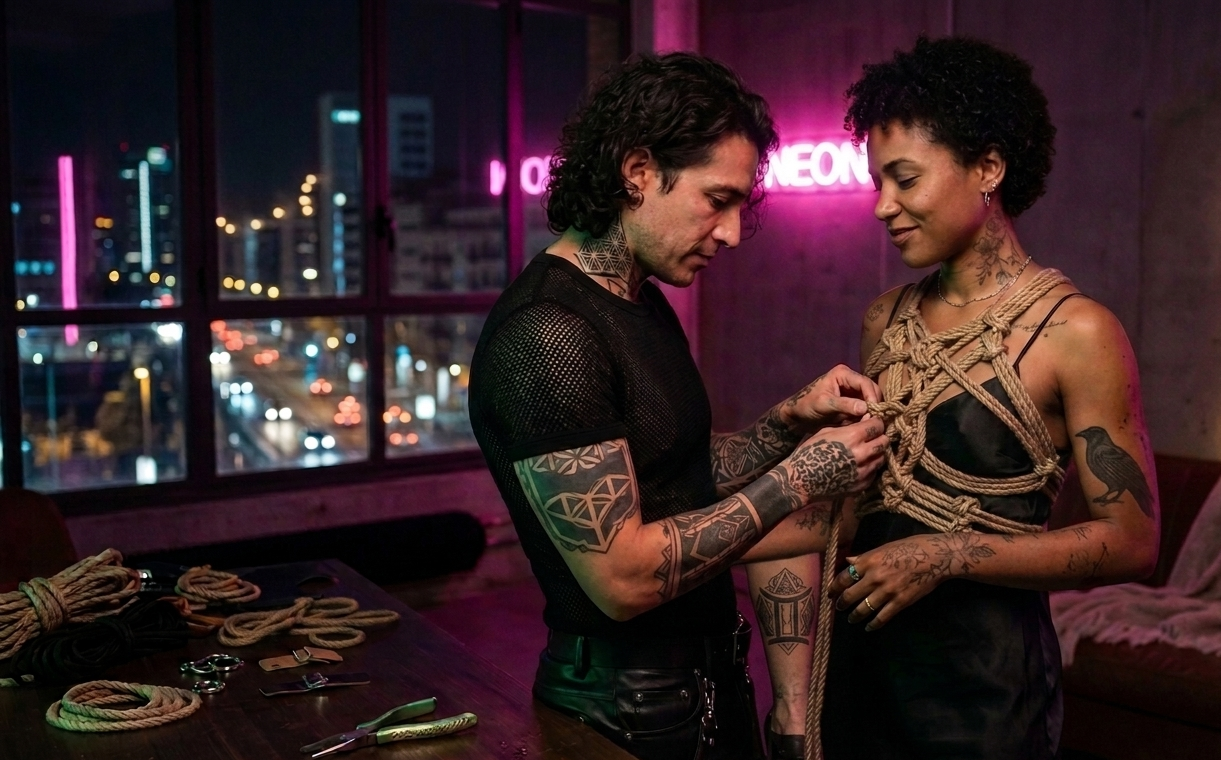
What Does a Rigger Actually Do?
A rigger's role starts long before any rope comes out, and it doesn't end when the last knot is untied.
Before the Scene
Good rigging begins with conversation. A rigger will talk through their rope bottom's medical history, any nerve or joint sensitivities, and which styles of tie are on or off the table. Safewords are agreed upon, including non-verbal signals for when verbal communication isn't possible. The rope and equipment get checked over. The space gets set up.
During the Scene
Once the tie begins, the rigger holds total focus. They're watching for color changes in the skin, breathing shifts, signs of numbness or restricted movement, and the emotional state of their partner, all at the same time.
TangledAsh, 26, started rigging after three months of practicing on a pillow before ever tying another person. "My rope mentor told me that was the right call. When I finally did tie someone for the first time, I felt ready. Practicing made a huge difference."
Regular check-ins matter here, too. Some are verbal. Some are a squeeze or a look. Communication doesn't stop when the rope goes on.
SilkBunny_, 28, has played with several riggers over the years. "The ones I trust completely are the ones who check in constantly and actually adjust when something doesn't feel right. My rigger now checks the tension every few minutes."
Rope bondage also opens the door to more complex scenes over time. Some riggers combine their ties with predicament bondage, where the position itself becomes part of the challenge. It's an advanced move, but it shows just how far a rigger's creativity can stretch once the fundamentals are solid.
After the Scene
Aftercare isn't optional in rope bondage. A rigger removes the rope carefully, checks for marks or injury, and stays present while their partner comes back down. Warmth, water, and physical closeness are all standard. So is monitoring for delayed bruising, which can show up an hour or more after a scene ends.
Understanding what your rope bottom experiences emotionally during and after a tie matters too. If you're not familiar with subspace and how it affects people post-scene, this guide to topspace and subspace is worth your time.
What Is a Rigger in a Relationship?
What a rigger is in a relationship looks different depending on who you ask.
For some people, rigging is purely a scene activity. They love the craft, the focus, and the particular kind of intimacy rope creates, but it doesn't define the dynamic outside of play. For others, the rigger role becomes a consistent expression of dominance and care that runs through the whole relationship. If you're thinking about how to build something more structured around your dynamic, this breakdown of BDSM relationship dynamics covers exactly that.
Some riggers and rope bottoms build long-term partnerships where rope is the central shared language. The ties, the rituals, and the way the rigger checks in after every session all add up to something that looks a lot like its own relationship structure.
KnotworkKira, 41, has been rigging and teaching rope bondage for years. "People sometimes think being a rigger is mostly an aesthetic thing, like you're just creating a picture. For me, the safety work IS the art. A beautiful tie that hurts my partner isn't beautiful at all."
That ethos tends to shape how long-term rigger relationships work: the care is the point, and the rope is how it gets expressed.
What a rigger means in your relationship is something you define together, through negotiation, honesty, and time.
Want to explore BDSM dynamics and figure out what fits? Join FET and find a community that's had every version of this conversation already.
Rope Safety: The Non-Negotiables
Rope bondage done carelessly carries real physical risk. Nerve damage, circulation problems, and falls from suspension are all possible when safety is skipped.
Anatomy Awareness
The most important skill a rigger can develop is basic anatomical knowledge. Certain areas carry a higher risk for nerve compression:
- Wrists and forearms, the radial nerve runs close to the surface here
- Inner upper arms, the brachial plexus sits nearby
- Behind the knees, the peroneal nerve is vulnerable in this area
- The neck, avoid rope here entirely unless you have advanced, supervised training
A rigger learns where the risk lives and keeps rope pressure away from those zones.
Circulation Checks
Rope that's too tight cuts off blood flow. A rigger watches for skin discoloration below the tie, checks regularly that two fingers can fit under any bind, and responds immediately to any report of tingling or numbness. Numbness is a stop signal, not something to push through.
Scissors Rule
Every rigger keeps safety scissors or EMT shears within arm's reach at all times. If someone needs to come out of a tie quickly, this is how it happens. No knot, no matter how good it looks, is worth a second of hesitation in an emergency.
Suspension: A Different Level of Risk
Suspension bondage is the most technically demanding and physically risky area of rope work. If suspension is something you're working toward, read up on the basics before you get anywhere near off-the-ground ties. This beginner's guide to suspension bondage covers what you need to know before taking that step.
Aftercare Protocol
Removing rope well is its own skill. Riggers unwrap carefully, check the skin, and help circulation return to restricted areas.They stay present and attentive. The scene isn't over until their partner feels fully grounded.
How to Become a Rigger
Rigging is learnable, but it takes time and the right starting point. Here's a practical path in:
- Read and research first. Get familiar with knot craft, basic anatomy, and rope safety theory before you ever tie another person.
- Practice solo. Working on your own body or a practice object gives you a real feel for tension and pressure.
- Take a class or workshop. In-person instruction from experienced riggers is the fastest route to safe technique. Most BDSM community spaces run introductory rope bondage sessions regularly.
- Get into the community. Rope circles and munches exist in most cities. Meeting other riggers and rope bottoms in person gives you something books and YouTube can't: a live feedback loop.
- Start simple and stay grounded. Master basic ground ties before anything involving elevation or complex anatomy. When you're ready to think about more complex restraint styles, predicament bondage is a natural next challenge for riggers who want to push their creative range.
- Ask for honest feedback. A rope bottom who tells you what felt good and what didn't is one of the most valuable learning tools you've got.
Want to find experienced riggers to learn from? Chat with kinksters in FET's BDSM Chat and connect with your local rope scene.
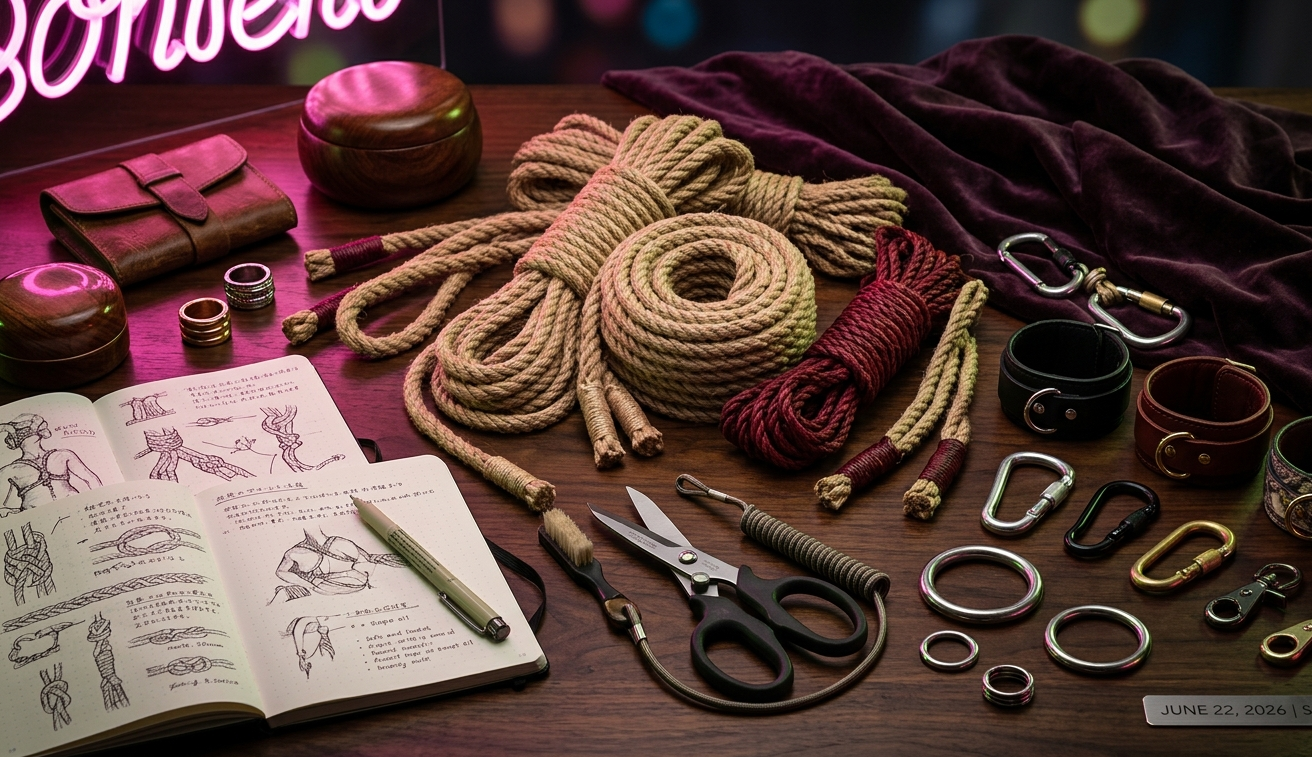
Connect With the Rope Community on FET
Rigging is better with a community around it. The best riggers keep learning, stay connected, and find partners who genuinely share their approach to rope.
FET is home to thousands of kinksters who are into rope bondage at every level, from people picking up their first length of cotton rope to riggers with years of suspension experience. Whether you're looking for a practice partner, a mentor, or just want to nerd out about bondage with people who get it, the community is here.
- Join the FET Forum to ask questions, share what you're learning, and hear from riggers who've been doing this for years
- Take the BDSM Test to get a clearer picture of your role before your first rope conversation
- Browse Kinky Ads to find rope bottoms or riggers looking to connect
- Explore FET and build a profile that shows your rope interests
Your next rope partner is probably already on FET. Go find them.
Frequently Asked Questions
Is a rigger always the Dominant partner?
Not always. The act of tying defines the role, not the power structure around it.
Do riggers need formal training?
No official certification exists, but a class, rope circle, or experienced mentor makes a real difference. Rope bondage carries genuine physical risk.
What's the difference between a rigger and a bondage Top?
A rigger works specifically with rope. A bondage Top covers any restraint play. All riggers are bondage Tops, but not the other way around.
What rope works best for beginners?
Cotton or nylon. Soft, forgiving, and easy to find. Always check for damage before every scene.
What should a rope bottom know before playing with a rigger?
Their limits, sensitivities, what's on and off the table, and their safeword. They can stop the scene at any point, no explanation needed.
YOU MAY ALSO LIKE
Similar discussions
-
- 15 replies
- 58 views
-

- Ch****
-
A Genuine Question for doms: What Does “Emotional Responsibility” Mean to You? 1 2
By Deleted Member, in Kink Academy
- 40 replies
- 185 views
-

- Deleted Member
-
- 7 replies
- 1,236 views
-

- littlemiss37
-
- 32 replies
- 1,852 views
-

- Chloebear
-
- 11 replies
- 1,386 views
-
- Chloebear
Join the conversation
You can post now and register later. If you have an account, sign in now to post with your account.
There are no comments to display.